
How Tree Roots Can Damage Your Sewer Line
Trees make Mansfield neighborhoods feel cooler and more inviting, but the same roots that stabilize a shade tree can quietly break into your home's main drain. Once roots find your sewer pipe, they thicken, multiply, and trap debris until the line clogs or fails. If you're already noticing slow drains or foul odors, now is the time to look into sewer line repair before small damage turns into a messy backup.
Below, you'll learn why roots target buried pipes, what warning signs to watch for in North Texas yards, and the professional repair options that protect your home and landscaping. We'll keep the guidance practical for Mansfield homeowners and avoid quick fixes that can make problems worse.
Why Tree Roots Target Sewer Lines
Tree roots chase three things underground: moisture, oxygen, and nutrients. A sewer line offers all three. Even a hairline crack releases vapor that draws feeder roots. As those tiny root hairs slip through a seam or pinhole, the constant moisture encourages rapid growth inside the pipe. Over time, a small thread becomes a dense root mass that blocks flow, catches toilet paper, and forces wastewater to find another path.
Older homes in established Mansfield areas often have sewer laterals made from materials that are more vulnerable to intrusion at joints. Age, soil movement, and normal wear can widen those joints. Clay-rich soils common in Tarrant County also swell when wet and shrink during dry spells, flexing the pipe season after season. That movement can open the door for roots to enter.
Common Warning Signs
Root problems tend to build slowly, then show up all at once. Some signs are subtle outdoors, while others are hard to miss inside the house.
- Multiple drains gurgling or slowing at the same time, especially after laundry or showers
- The toilet bubbles when a nearby sink drains
- Recurring clogs that keep coming back soon after plunging
- Sewage smell in a bathroom or near a floor drain. Never ignore sewage odors indoors because they can signal a blocked main line.
- Extra-green strip of grass or a soggy patch that doesn't dry out
- New dips in the lawn or thin sinkholes along the path from the house to the street
Any two or more of these together are a strong hint that roots are restricting the line. Acting early helps you avoid raw sewage backing up into a tub or shower.
How Roots Break in and Spread
Think of a sewer line as a long, dark tunnel with tiny windows. Here's how intrusion typically unfolds:
- Moisture escapes through a joint, crack, or failing gasket and attracts feeder roots.
- Root hairs enter the opening and anchor themselves to the pipe wall.
- As the root thickens, it widens the gap and branches down the flow path.
- Debris snags on the roots, forming a mat that slows wastewater and increases pressure.
- Stoppages grow more frequent until the pipe cracks, collapses, or becomes fully blocked.
Roots don't need a large hole to cause trouble. A small opening is enough to start a chain reaction that stresses the whole system.
High-Risk Trees and Smarter Planting Distances
Some species send out aggressive, water-seeking roots. In Mansfield, fast-growing ornamentals like Bradford pear, as well as willow, sycamore, and silver maple, are known for far-reaching roots. Large shade trees such as live oak and red oak are durable and beautiful, but need thoughtful placement. Rather than memorizing exact numbers that vary by soil and lot size, follow this simple rule: keep the trunk farther from your sewer route than the tree's expected mature canopy radius.
If you're adding new trees, ask your nursery for varieties with slower, deeper root habits and plan their location with your sewer path in mind. A quick utility locate and conversation with your plumber before you plant can prevent headaches later.
Mansfield Conditions That Make Root Damage Worse
Local soil and weather patterns shape how quickly roots move toward a water source. North Texas clay shrinks during hot, dry summers, which can stress nearby trees and make them send roots farther in search of moisture. When fall rains arrive, that same clay swells and can flex older pipes at the joints. Occasional hard freezes also cause subtle shifts. Together, these conditions create small openings that roots happily exploit.
Neighborhoods with mature trees and long-established landscaping are especially prone. If your home sits in a shaded subdivision near Walnut Creek or around Mansfield National, keep an eye on surface changes in the yard and on how drains behave after big storms.
Local Tip: During long Mansfield dry spells, avoid overwatering a single strip of lawn along your sewer route. Uneven moisture can speed soil movement and stress older pipe joints.
Why Chemical Quick Fixes Can Backfire
It's tempting to pour a root-killing chemical down a drain. But those products can harm beneficial soil life and may not reach a dense root mass, especially if it's already blocking the line. Worse, partial die-off can loosen a mat of roots that shifts and clogs the pipe downstream. Skip chemical shortcuts and get the line inspected so the real location and extent of the problem are clear.
How Pros Confirm Root Intrusion Without Guesswork
The most reliable way to diagnose is a video camera inspection. A small, waterproof camera snakes through the cleanout and records clear footage of any roots, cracks, bellies, or offsets. Your technician can also use a locator above ground to map the pipe's path and mark the depth. That lets you see what's happening and choose a repair that fits the actual condition of your line and yard.
Professional Repair and Replacement Options
Once the inspection shows where roots entered, your plumber will recommend one or a combination of these proven solutions:
- Localized Repair: If a single joint failed, a small excavation or inside-the-pipe patch can restore a tight seal and stop roots from returning.
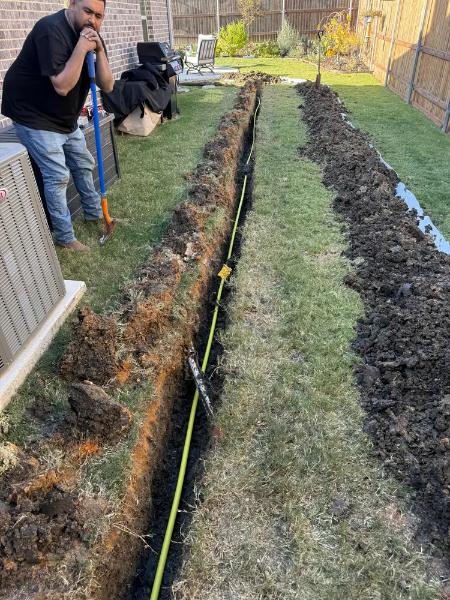
- Trenchless Lining: A resin-saturated liner is placed inside the pipe and cured into a seamless sleeve that seals joints and minor cracks. It preserves most landscaping.
- Pipe Bursting: A new pipe is pulled through the old one while a bursting head breaks apart the failed line. This is useful when the existing pipe is badly damaged.
- Targeted Replacement: Short open-trench sections may be best where access is easy or when the pipe has collapsed.
Your final plan depends on the pipe material, how long the damaged section is, and what's above it. A reputable plumbing contractor will walk you through the video findings, explain pros and cons, and help you choose a method that balances reliability and yard impact.
Prevention You Can Control
You can't keep every root away, but you can reduce risk and catch small issues early with these habits:
- Know Your Line's Route: Ask your plumber to mark the path from the house to the street so future planting and projects avoid it.
- Plan Landscaping With Care: Choose slower-growing trees and keep thirsty species well away from the sewer route.
- Schedule Periodic Camera Checks: Older homes or properties with recurring clogs benefit from regular inspections before big seasonal swings.
- Protect Cleanouts: Keep caps in place and accessible so crews can inspect and service the line without digging.
These steps won't replace professional work when damage exists, but they limit new intrusion and help you make informed choices.
What to Do if You Suspect Root Damage
If you notice several drains slowing at once, unusual gurgling, or wet spots in the yard, document what you see and avoid running extra water. Don't use chemical root killers or heavy-duty drain cleaners. Call as soon as you spot multiple warning signs so a licensed technician can inspect the line before a backup reaches tubs or showers.
When you schedule service with Onyx Ridge Building Solutions, ask for a camera inspection and a written summary of what the technician finds. Clear documentation helps you compare options and decide on the best repair for your home and landscaping. If repair is needed, your team can prioritize methods that limit yard disturbance and protect the trees you want to keep.
Why Acting Early Protects Your Home Value
Root intrusion rarely fixes itself. Delays often lead to wider cracks, deeper root mats, and a higher risk of indoor sewage backups. Early, targeted repairs protect flooring, drywall, and subfloors from contamination and reduce the chance you'll need to replace long runs of pipe. The sooner you address the cause, the more control you have over cost, timeline, and how much of your yard is affected.
Ready for A Clear, Reliable Sewer Line?
If your home in Mansfield or nearby communities is showing early signs of intrusion, take the safe next step. For fast, professional sewer line repair, call Onyx Ridge Building Solutions at 817-948-2020 today. Our team will inspect the line, share the footage, and help you choose a long-term solution that fits your property and goals.
Contact Us Today
We're Ready to Help!